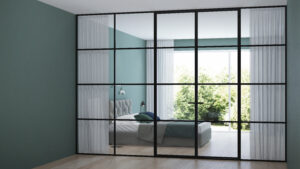

A practical guide to understanding tempered safety glass, low iron clarity, and edge polishing profiles when designing bespoke table tops and floating shelves.
When homeowners begin planning a custom glass furniture project, they often focus on the shape, size, or style of the glass. However, two of the most important decisions they will make are selecting the right glass edge finish and glass thickness. These choices influence far more than appearance—they affect the safety, durability, functionality, and overall quality of the finished piece. Whether you’re designing a custom glass tabletop, protecting a wood dining table, creating a modern office desk, or adding a sleek coffee table to your living room, choosing the proper edge profile and thickness ensures your glass performs as beautifully as it looks. At Volunteer Glass & Design, we help homeowners, interior designers, and businesses throughout Middle Tennessee select custom glass solutions that combine lasting strength with timeless style.
UNDERESTIMATING THE IMPORTANCE OF GLASS EDGEWORK
Many people underestimate the importance of the glass edge, assuming it serves only a decorative purpose. In reality, the edge finish plays a significant role in the safety, durability, and overall appearance of the glass. A professionally finished edge not only reduces the risk of injury from sharp edges but also helps protect the glass from chips and damage over time. It creates a refined, polished appearance that immediately distinguishes custom-fabricated glass from mass-produced products found at big box retailers. The right edge finish also makes cleaning easier and contributes to the premium feel of the finished furniture.
The most popular edge choice for custom furniture is the flat polished edge. This finish features a clean, modern profile with slightly eased corners and a crystal-clear polished surface that beautifully reflects light. Its simple yet sophisticated appearance makes it an excellent choice for dining room tables, office desks, conference tables, floating furniture tops, shelving, and coffee tables. Homeowners searching online for custom glass table tops often choose a flat polished edge because it offers the ideal balance of elegance, durability, and versatility.
For those seeking a softer aesthetic, the pencil polished edge is another excellent option. Unlike the crisp profile of a flat polished edge, a pencil polished edge has a fully rounded contour that feels smooth and comfortable to the touch. This style works particularly well in homes with children or in spaces where people are more likely to come into contact with the edges of the furniture. It complements traditional and transitional interiors while providing an added measure of comfort without sacrificing quality or craftsmanship.
If you’re looking to add a more decorative touch, a beveled edge offers timeless elegance. A beveled edge features an angled border around the perimeter of the glass that catches and reflects light, creating additional depth and visual interest. This style has long been associated with luxury furniture and is commonly selected for formal dining tables, executive desks, antique furniture restorations, and decorative accent pieces. Although beveled glass tends to cost slightly more than standard polished edges, many homeowners feel the sophisticated appearance is well worth the investment.
A seamed edge is another available finish, although it is generally reserved for situations where the edge will be concealed within a frame or channel. A seamed edge simply removes the sharpness left from the cutting process but does not receive the polishing necessary to produce a finished appearance. While perfectly functional for hidden applications, it is not typically recommended for exposed furniture glass where appearance is an important consideration.
Beyond selecting the edge finish, determining the appropriate glass thickness is equally important. Glass thickness influences the overall strength of the piece, its resistance to flexing, its weight, and the premium feel it conveys. Choosing the correct thickness depends on several factors, including the size of the furniture, how the glass is supported, and its intended use.
For smaller furniture protectors and fully supported surfaces, 1/4-inch glass is often sufficient. This thickness is commonly used to protect wood dining tables, desks, dressers, and antique furniture from scratches, moisture, and everyday wear. Because the glass rests directly on a solid surface, additional thickness is typically unnecessary. However, 1/4-inch glass is generally not recommended for larger unsupported tabletops where flexing may occur.
One of the most versatile choices available is 3/8-inch glass. This thickness offers an excellent combination of strength, rigidity, and visual appeal without becoming excessively heavy. It is frequently used for coffee tables, end tables, office desks, and many dining tables. Homeowners appreciate its substantial appearance while still being practical to move and install. For many custom furniture applications, 3/8-inch glass represents the ideal balance between performance and cost.
When creating larger or more luxurious furniture pieces, 1/2-inch glass is often the preferred choice. The added thickness provides exceptional rigidity and creates the premium appearance many homeowners desire. Large dining room tables, executive office desks, conference tables, and floating glass installations all benefit from the impressive look and durability of 1/2-inch glass. While heavier and more expensive than thinner options, it offers unmatched stability and gives furniture a distinctive, high-end feel.
Another important consideration when selecting custom furniture glass is deciding whether the glass should be tempered or annealed. Tempered glass undergoes a specialized heat-treatment process that makes it approximately four times stronger than standard annealed glass. If broken, tempered glass fractures into small, rounded pieces rather than dangerous sharp shards, making it a much safer option for homes and businesses. For dining tables, desks, coffee tables, and furniture located in high-traffic areas or homes with children, tempered glass is often the recommended choice because of its increased strength and improved safety.
Annealed glass still has its place in certain applications, particularly when it serves as a protective cover resting directly on a fully supported surface. In situations where building codes do not require tempering and impact resistance is less of a concern, annealed glass may provide an appropriate and more economical solution. An experienced glass fabricator can help determine which option best fits the intended application.
The size and design of the furniture also play an important role in selecting the proper glass thickness. Many homeowners assume all tabletops require the same thickness, but this simply is not the case. Factors such as the overall dimensions of the glass, how much of it is supported by the base, the amount of overhang, and the expected weight placed on the surface all influence the final recommendation. A modest office desk may perform perfectly with 3/8-inch glass, while a large dining table spanning several feet may benefit from the increased rigidity of 1/2-inch tempered glass to minimize deflection and maintain its premium appearance.
Custom fabrication also allows homeowners to incorporate unique details that elevate both the appearance and functionality of their furniture. Radius corners, clipped corners, custom shapes, notches, cutouts, drilled holes, and decorative bevels can all be fabricated to match existing furniture or achieve a completely custom design. These precision details ensure every piece fits perfectly while reflecting the homeowner’s personal style.
One of the greatest advantages of ordering custom-fabricated glass rather than purchasing pre-cut glass from a home improvement store is the ability to receive a product made specifically for your project. Custom glass is manufactured to exact dimensions and finished with professionally polished edges, superior clarity, optional low-iron glass, custom corner radiuses, specialty shapes, and tempering when appropriate. The result is furniture that appears intentionally designed rather than simply covered with a piece of glass.
At Volunteer Glass & Design, we proudly provide custom glass furniture solutions throughout the Greater Nashville area and Middle Tennessee. Whether you need a replacement glass tabletop, a protective glass cover for a cherished wood table, or a completely custom glass furniture project, our experienced team can help you select the ideal glass thickness, edge finish, and fabrication details to ensure years of beauty and performance. By combining expert craftsmanship with premium materials and personalized service, we create custom glass solutions that are built to fit perfectly and designed to last.